
Tracing Emporia's Former Owners
Emporia publishes no verified cutoff year for its online ownership records. Begin with SRA/COVERS and follow the grantor-grantee chain as far as the index reaches. Then ask the Clerk about older volumes. The Library of Virginia holds historical material worth checking. However, it offers no complete Emporia deed-book catalog or scan run. Treat the state archive as a fallback, not a substitute.
| Source | Years It Covers | Where Held | What It Shows |
|---|---|---|---|
| SRA/COVERS index | Local start year not located | Greensville Circuit Clerk / state portal | Indexed parties and instruments |
| Older deed books | Coverage not verified | Clerk's office; ask about local volumes | Earlier recorded transfers |
| Plats and surveys | Coverage not located | Circuit Clerk or Planning and Zoning | Lot layout and legal description |
| Vital microfilm | State runs vary by record type | Library of Virginia | Family context, not land title |
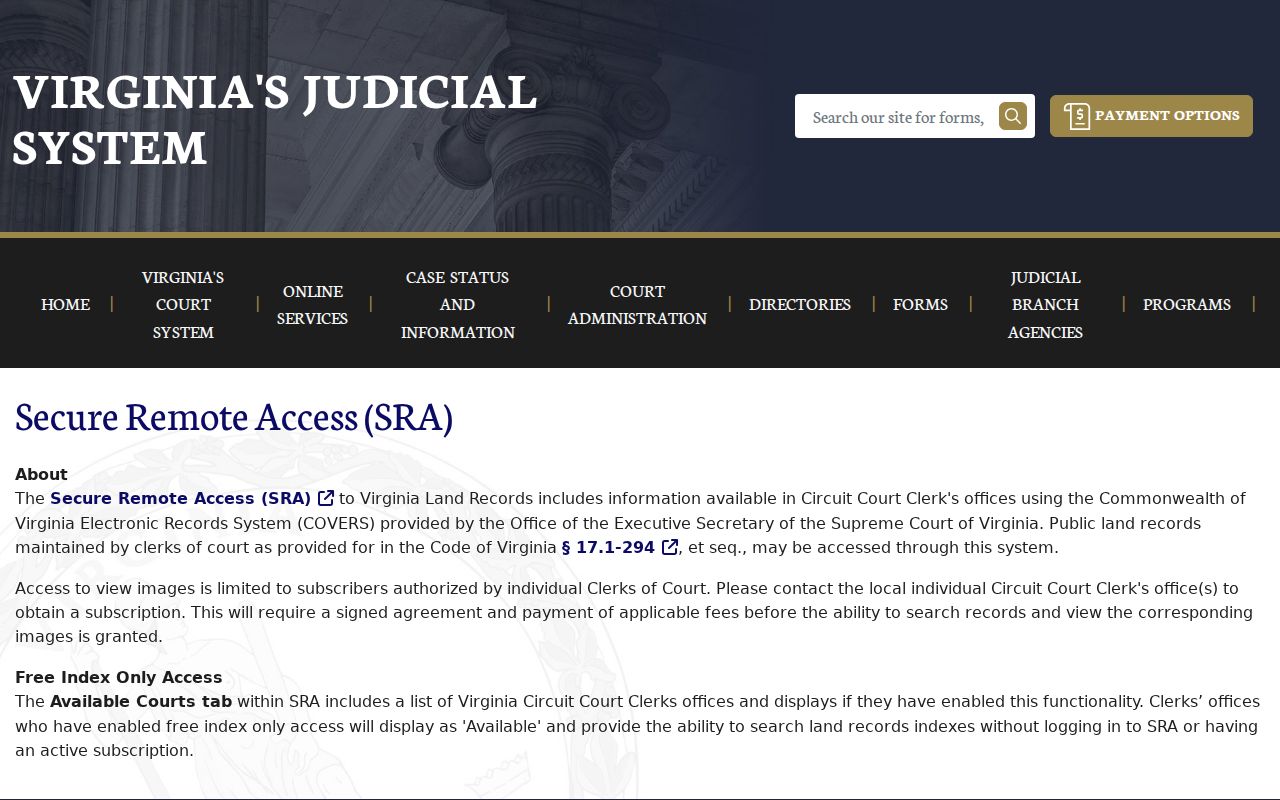
The state SRA screen shows current index coverage. It does not show how far back Emporia digitization goes. The Clerk can point to the next deed book or index volume. Planning and Zoning may help route plat-review files. Vital records and genealogical indexes can establish family relationships. They still cannot replace a recorded land instrument. The Virginia SRA access page describes index-only access and clerk-controlled images. It explains statewide access rules, not Emporia's local coverage year or image fee.
Get the lead online, then request the deed itself.
Emporia's Online Deed Cutoff Is Unknown
Emporia and Greensville publish no official date for the SRA index or image cutover. Never assume an earliest year. Search the index as far back as it permits. Note the oldest result, and ask the Clerk whether an older grantor-grantee book is needed. A clerk can also explain a missing image. It may reflect subscription access, a scan gap, or a record predating the online system. The Greensville Circuit Clerk sits at 337 South Main Street in Emporia. The phone is 434-348-4215, and published hours are 8 a.m. to 4 p.m. The court's clerk page gives the office route. Keep the parcel description and party names ready before calling.
Work Back Through the Emporia Deed Chain
A chain of title is the sequence of instruments. It traces recorded interests in one parcel over time. Start with the newest conveyance that matches the land. A shared name alone proves nothing. On each deed, identify the grantee. That is who received the interest, and the grantor transferred it. Then hunt for that grantor's earlier acquisition as a grantee, and repeat the step.
- Find the latest recorded deed that matches the parcel's legal description.
- Write down the grantor, grantee, recording date, and instrument or book reference.
- Search the prior grantor as a grantee and compare the land description.
- Continue until the index ends, then ask for the older book or index volume.
- Grantor / grantee
- The party conveying an interest and the party receiving it.
- Chain of title
- The ordered sequence of recorded transfers for the land.
- Legal description
- Lot, block, plat, or boundary language that identifies the land in an instrument.
- Fiduciary deed
- A transfer signed by an executor, administrator, or other person acting for an estate.
Older Emporia Deed Books Need a Request
Virginia's modern SRA/COVERS system and the historic deed books are different access layers. When online results stop, ask the Greensville Circuit Clerk. Request the grantor-grantee index and deed-book references for the period. Specific volumes, imaging dates, and copy costs come from the office itself. Write down each book, page, party, and recording date as the clerk finds it. The legal description is the anchor across eras. A street address can be absent, changed, or secondary in an older deed. A lot-and-block description may point to a plat; metes and bounds uses boundary calls. Compare the land language before linking two same-name owners.
Emporia Family History Has State Archives
The Library of Virginia holds surviving birth and death records from 1853 through 1896 on microfilm. It also holds marriages before 1936 on microfilm. Its locality listing names Emporia's City Clerk, Commissioner of Revenue, and Treasurer as records-management contacts. These sources build family context around an estate transfer. Land ownership itself still turns on the deed or other recorded instrument. The LVA locality listing and the Virginia vital-record genealogy page lay out the archival paths. The genealogy page separates public indexes from newer restricted certificates.
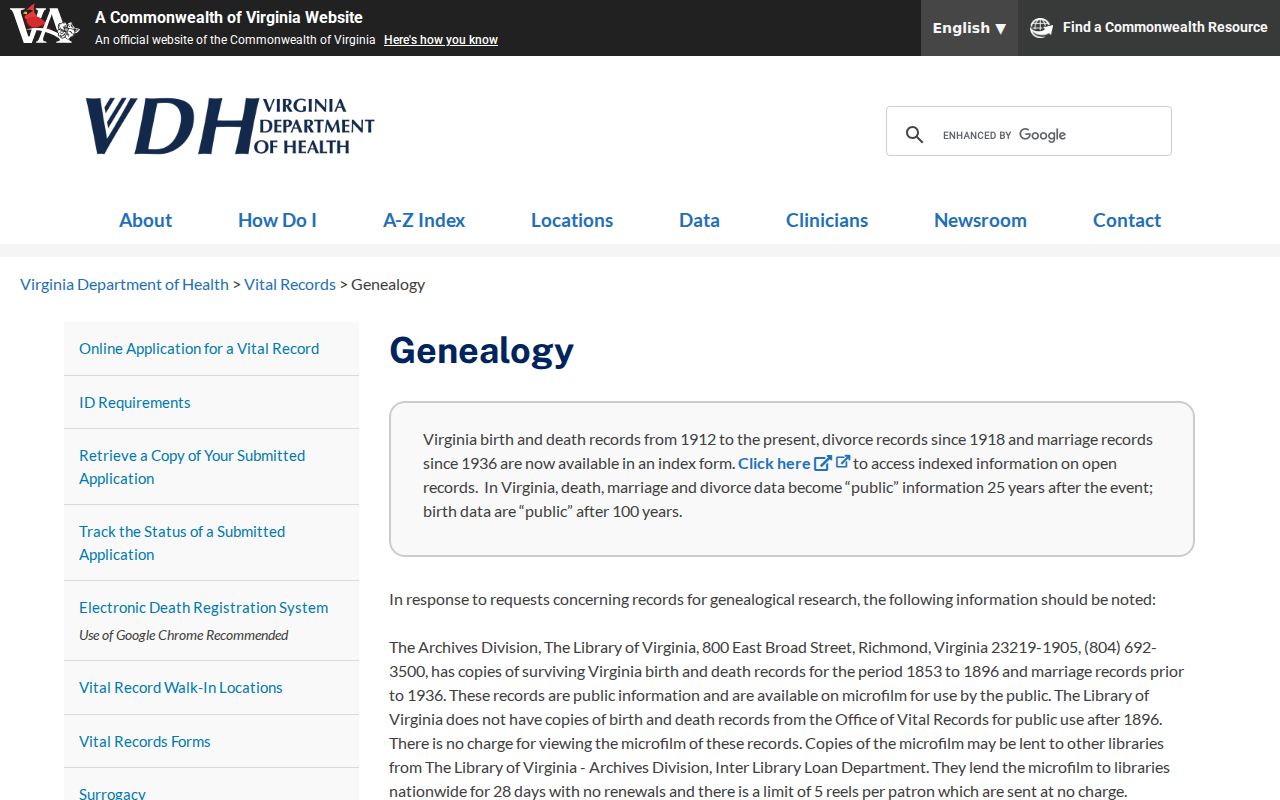
Use an older index to locate a family event, then return to the Circuit Clerk's land records for the title transfer. The Library of Virginia's locality records listing identifies Emporia records-management contacts. Treat it as a route to local custodians, not a deed-book catalog.
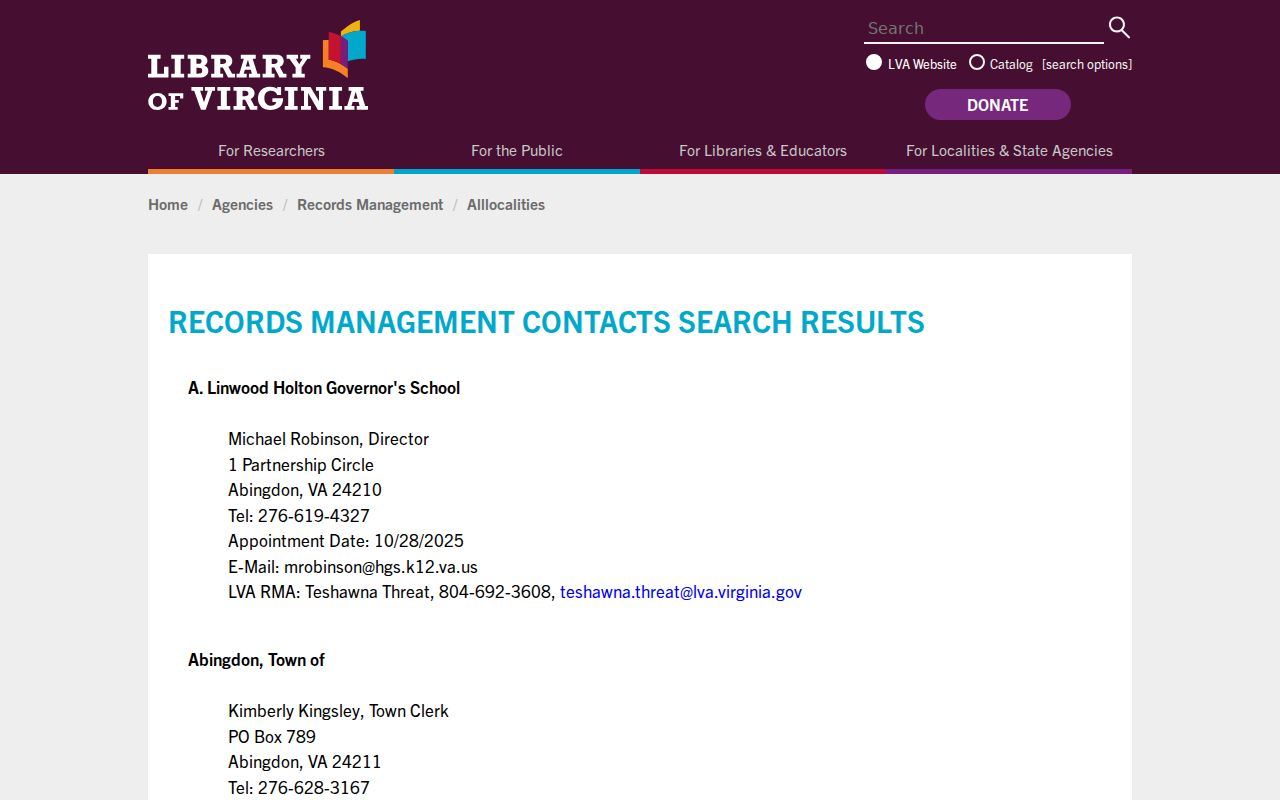
Ask the Clerk and LVA separately about historic land series and finding aids.
Emporia Estate Transfers Can Break the Chain
When an owner died, the land trail may run through probate, a will, an executor's qualification, and a later fiduciary deed. The Greensville Circuit Clerk keeps probate and land instruments in distinct record functions. A will shows who was authorized to act. It does not itself prove that a parcel was conveyed. Pair the case reference with the recorded deed. Virginia death certificates sit with the Department of Health. Current certificates are generally restricted to eligible immediate family with identification. Older death data becomes public after 25 years. A non-family requester may qualify for a death verification with direct and tangible interest. That can resolve a historical family question. It is still not a title record. The Virginia vital-record application page gives the official application route. Keep the certificate request separate from any land-record request.
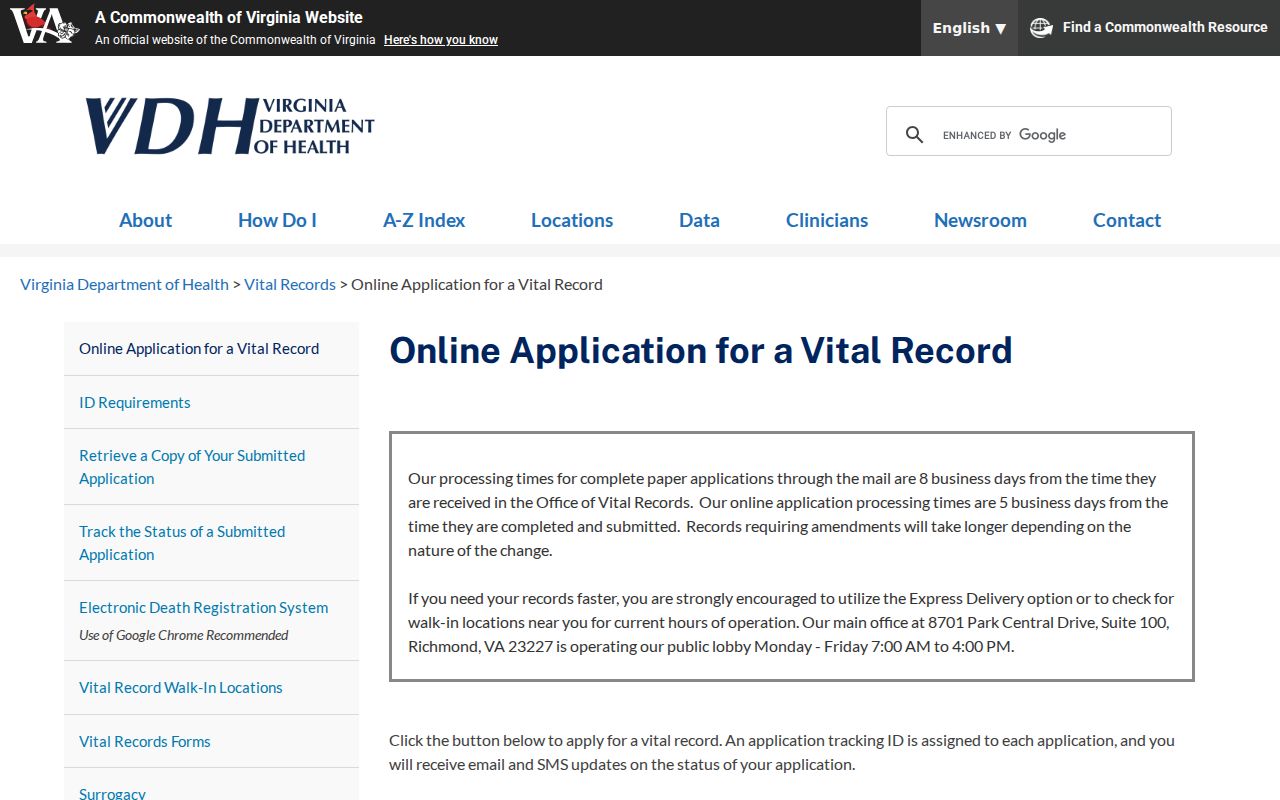
A certificate request must follow the state's current eligibility and identification rules, so confirm those before applying.
The recorded chain drives the Emporia deed-records process. The present assessment name answers a different question and carries its own limits.
How Far Emporia Ownership Records Reach
The Clerk's office publishes no exact earliest year for Emporia deed records, and no first surviving local deed book is cited in official sources. Build the chain one record at a time instead. Note the oldest hit in the SRA index. Ask the Clerk about predecessor volumes. Then check LVA catalogs for related archival material.
No courthouse fire, records removal, or digitization project affecting Emporia property records is documented, so treat a missing online item as simply unavailable rather than the result of some local disaster. Older address books, newspapers, and reverse directories can add context when a local library holds them. Treat any such source as a clue. Cite its exact year, and verify the property against a deed or plat.
Lawful use. Use Emporia ownership history for house research, estate work, and property diligence. Do not use a prior owner's name or address to track, threaten, or harass a living person.